Luxury Home Buying Mistakes That Cost You Thousands
Tags: buying a mansion, high-end property, home buying tips, luxury home buying, luxury home inspection, luxury real estate, real estate mistakes, waterfront estate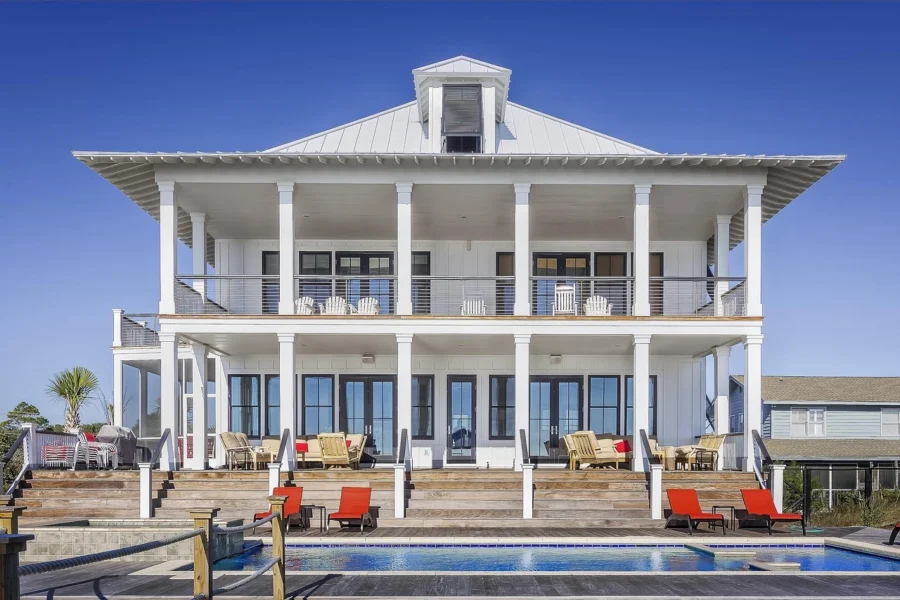
Short answer: Common luxury home buying mistakes include skipping a specialized agent, forgoing inspections, letting emotions drive decisions, neglecting neighborhood research, and underestimating ongoing costs. Each can cost you thousands in overpayment or hidden expenses.
Key takeaways
- Hire an agent who specializes in luxury properties.
- Always conduct thorough home inspections.
- Don’t let emotions override financial logic.
- Research the neighborhood thoroughly.
- Account for all ongoing costs in your budget.
- Negotiate based on data, not feelings.
What you will find here
- 1. Not Hiring a Specialized Luxury Real Estate Agent
- 2. Skipping or Skimping on Inspections
- 3. Letting Emotions Drive the Purchase
- 4. Neglecting Neighborhood Research
- 5. Underestimating Ongoing Costs
- 6. Overlooking Due Diligence on Custom Features
- 7. Making an Offer Without a Comparative Market Analysis
- 8. Forgetting to Vet the Homeowners Association
- 9. Ignoring the Exit Strategy
Buying a luxury home should be an exciting milestone, but too many buyers make errors that cost them thousands of dollars. Whether you’re looking at a penthouse in Manhattan or a waterfront estate in Florida, the stakes are high. A small mistake can mean overpaying by tens of thousands—or getting stuck with a money pit. Let’s look at the most expensive luxury home buying mistakes and how you can avoid them.
1. Not Hiring a Specialized Luxury Real Estate Agent
Many buyers assume any real estate agent will do. But luxury properties operate in a different league. A generalist agent may not understand the nuances of high-end marketing, pricing, or negotiation. They might not have access to off-market listings, which are common in the luxury segment.
You need an agent who knows luxury neighborhoods, can vet properties for quality, and has a network of inspectors, appraisers, and contractors who work with high-end homes. Without that expertise, you could overpay or miss red flags. Take time to find the right fit—our guide on how to choose the right luxury real estate agent walks you through the process. Ask potential agents how many luxury homes they’ve closed in the past year and request references from past clients.
2. Skipping or Skimping on Inspections
It’s tempting to waive inspections in a competitive market. But luxury homes have complex systems—custom HVAC, smart home tech, elevators, pools, and more. A standard home inspection won’t cut it. You need specialists for each system.
Without proper inspections, you might inherit a leaking roof, faulty wiring, or a failing septic system. Repairs on luxury homes are expensive. A $500 inspection can save you $50,000 in hidden repairs. Always get a full home inspection plus separate evaluations for any unique features like a wine cellar, home theater, or dock. For instance, a pool inspection should check the pump, heater, and automation controls. Don’t just rely on the seller’s disclosure—bring in your own experts.
3. Letting Emotions Drive the Purchase
Luxury homes are designed to wow. Gourmet kitchens, sweeping views, marble bathrooms—it’s easy to fall in love. But emotional buying leads to overpaying. You might offer above asking price without proper market analysis. Or you might ignore a property’s flaws because you love the chandelier.
Keep your head. Make a list of must-haves and deal-breakers. Stick to your budget. Remember, there will always be another beautiful home. If you feel yourself getting carried away, step back and let your agent provide objective data on comparable sales. A useful trick: visit the property multiple times at different times of day. That glittering city view at noon might look very different at 2 am when the building’s generators kick in.
4. Neglecting Neighborhood Research
A mansion in a declining neighborhood can lose value fast. You need to know not just the property, but the area. Check future development plans, school ratings, crime trends, and proximity to amenities. A waterfront estate might be stunning, but if the shoreline is eroding or the community lacks privacy, it could be a poor investment.
Visit the neighborhood at different times of day. Talk to neighbors. Research local zoning laws. If you’re considering a waterfront property, read our questions to ask before buying a waterfront estate to get a head start. Also check noise levels from nearby airports or highways—luxury means quiet comfort, not constant rumble.
5. Underestimating Ongoing Costs
Luxury homes come with luxury expenses. Property taxes can be six figures annually. Utilities for a large estate can run thousands a month. Maintenance costs—think pool cleaning, landscaping, security systems, and staff—add up fast. Many buyers focus on the purchase price and forget the carrying costs.
Before you buy, calculate a realistic monthly budget including taxes, insurance, HOA fees, utilities, maintenance, and any staff salaries. Make sure you can comfortably afford it without stretching your finances. For example, a 10,000-square-foot home might need a full-time gardener and housekeeper. Factor in those salaries—easily $5,000 a month or more. Also check the HOA’s reserve fund; a poorly funded reserve can mean special assessments for big repairs like a new roof or road resurfacing.
6. Overlooking Due Diligence on Custom Features
High-end homes often include custom installations: a smart home system, automated shades, a generator, a wine room, or a custom elevator. These features can be expensive to repair or replace if they break. Ask for manuals, warranties, and service records. Test everything during the inspection period.
For example, a home with a geothermal heating system requires specialist knowledge to maintain. If the seller didn’t keep records, you could face a costly replacement. Always verify that custom features are in working order and learn how to maintain them. Request a walkthrough with the installer or service provider if possible. That smart home system might be programmed to the seller’s preferences—resetting it could require a technician.
7. Making an Offer Without a Comparative Market Analysis
Luxury pricing can be opaque. Some sellers list high expecting to negotiate, while others set a fair price. Without a comparative market analysis (CMA) from your agent, you might overpay by hundreds of thousands. A good CMA looks at recent sales of similar properties, price per square foot, and market trends.
Don’t rely on online estimates. They often miss the nuances of luxury sales. Ask your agent to walk you through the data. If the CMA shows the home is overpriced, be prepared to walk away. Sometimes the best deal is the one you don’t make. Also consider the days on market: a property listed for 200 days with multiple price drops may suggest underlying issues or poor negotiation leverage—use that information to strengthen your offer.
8. Forgetting to Vet the Homeowners Association
In exclusive communities, the HOA can have strict rules that limit your lifestyle. Some luxury HOAs restrict short-term rentals, exterior paint colors, or even the types of landscaping you can install. Others have long approval processes for renovations. Before you buy, review the HOA’s covenants, conditions, and restrictions (CC&Rs). Attend an HOA board meeting if possible. Check for any pending lawsuits or special assessments. A well-run HOA protects property values; a dysfunctional one can be a headache.
9. Ignoring the Exit Strategy
Even if you plan to stay forever, life changes. You might need to sell in five years for work or family reasons. Consider the home’s resale potential before you buy. Features like a highly specific architectural style, an odd number of bedrooms, or a location that’s out of step with market preferences can make resale difficult. Ask your agent how long similar homes take to sell in that area. If the average is 12 months, you need to be comfortable holding onto the property. A smart buyer always thinks about the next buyer.
By avoiding these luxury home buying mistakes, you protect both your investment and your peace of mind. Take your time, build a strong team, and keep your long-term goals in focus. The right property is out there—and with careful planning, you’ll find it without losing thousands.
Frequently asked questions
Should I hire a luxury real estate agent even if I have experience buying homes?
Yes. Luxury markets have different pricing dynamics, off-market listings, and inspections needs. A specialized agent brings networks and knowledge that save you money and hassle.
What is the most common mistake luxury home buyers make?
Letting emotions drive the purchase. Buyers fall in love with a property’s aesthetic and overlook issues like location, condition, or ongoing costs, leading to overpayment.
Do I really need a home inspection on a new luxury home?
Absolutely. Even new construction can have defects. Luxury homes have complex systems that require specialized inspectors. An inspection can uncover costly hidden problems.
How can I avoid overpaying for a luxury home?
Work with an agent to get a comparative market analysis. Stick to your budget. Avoid bidding wars. Be willing to walk away if the price doesn’t match the value.
What ongoing costs should I budget for when buying a luxury home?
Property taxes, insurance, utilities, maintenance, HOA fees, landscaping, pool care, security, and potential staff salaries. These can significantly exceed the mortgage payment.